

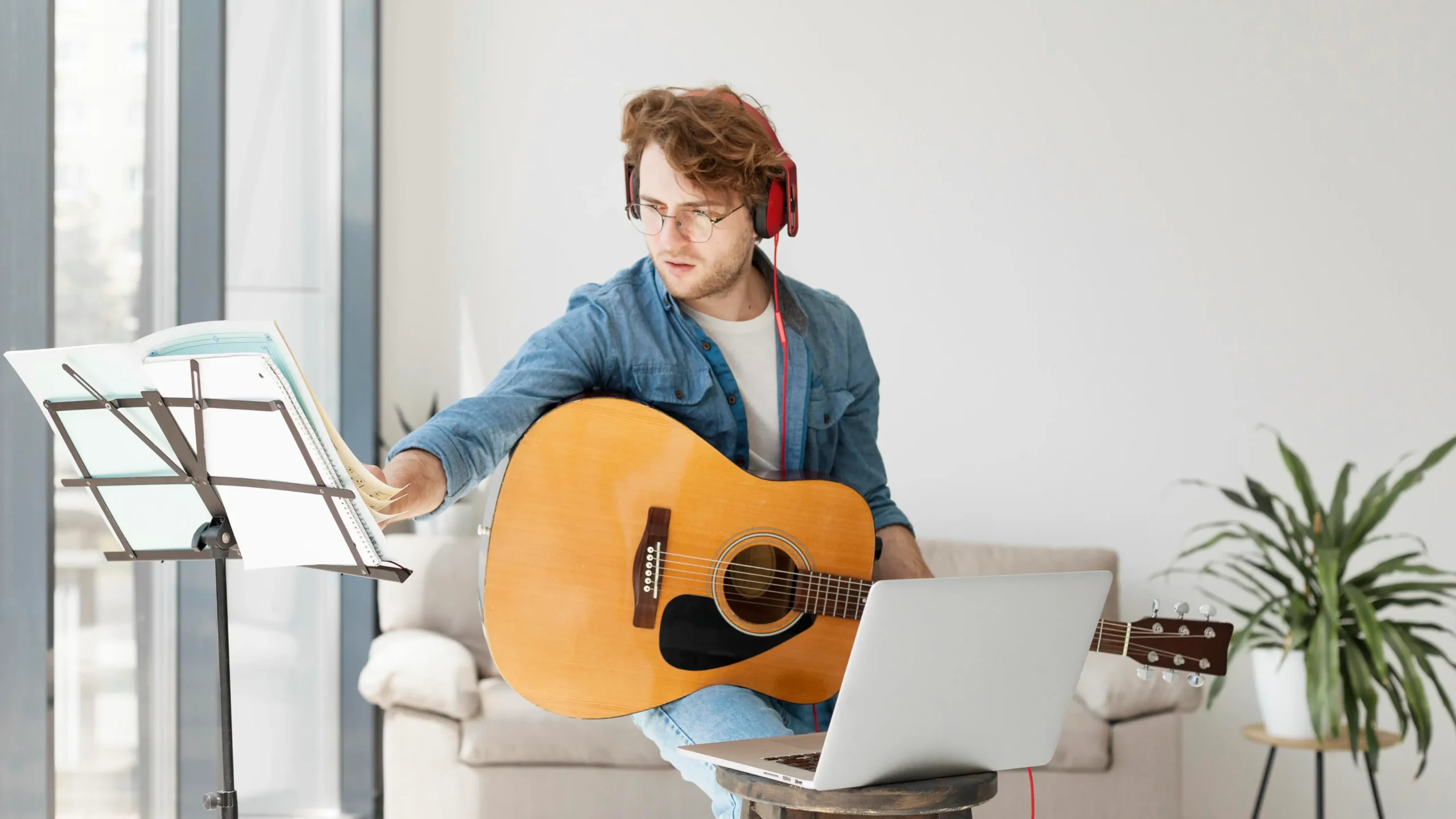
Music education can be a satisfying process that makes one develop creativity, patience and self-expression. Most individuals start to experiment with music by means of singing, studying a musical instrument or trying rhythm and sound. With time, these experiences may evolve into useful creative competencies and appreciation of music in a more profound way.
Learning music may begin with simple skills. Take the case of learning an instrument where the person can start out with simple notes, scales, and melodies. These playing skills gradually develop into complex playing skills as one plays more. Practice can assist the musicians to enhance coordination, listening abilities, and musical knowledge.
One of the aspects of learning music is creativity. Even though technical knowledge is a prerequisite, creativity enables musicians to experiment with their style and expression. There are learners who like to compose melodies, write lyrics or play with various musical sounds. These are the creative things that enable people to share their feelings and ideas in form of music.
Music education may be done in a variety of settings. There are those who learn by attending classes with their teachers, and those who learn by going through classes in their schools, working in workshops or using online courses.
Online learning and educational videos have helped people learn music more easily, as complete beginners can learn and discover instruments and methodologies at their own speed.
The learning group settings also contribute positively in the development of music. Bands, choirs and music club enable its members to practice collectively besides enjoying the fun of performing as a unit.
The instrumental aspect of collaboration, listening, and of working with others is promoted through playing music with others and this is a significant part of musical development.
Besides being creative, learning of music can also instill confidence. When people become better at their work and entertain the audience, they feel their achievement and desire to move on with their development. Even playing music as a hobby can make one satisfied and enjoy it personally.
CRAZY4MUSIC.COM discusses the process of learning music as an activity that contributes to creative development and inspires people to experience the beauty of sound and rhythm. Music learning is a viable means through which people can express themselves and experiment through practice, curiosity and creativity.ductivity. Continuous work without recovery decreases efficiency and increases errors. Short, scheduled recreational intervals restore concentration and improve cognitive performance.
Another important aspect is the prevention of emotional overload. By releasing tension regularly, individuals avoid the buildup of unresolved stress that leads to burnout symptoms such as fatigue, irritability, and loss of motivation.
Social recreational rhythm further supports emotional resilience. Regular shared leisure activities strengthen relationships and provide emotional support systems that buffer stress.
Mental recreation awareness highlights flexibility within recreational rhythm. The goal is not rigid scheduling but sustainable balance that adapts to changing needs.
Ultimately, establishing a recreational rhythm transforms relaxation into a proactive strategy for long-term well-being. Consistent, intentional recreation safeguards emotional energy and prevents burnout effectively.ical well-being.